The Cost of Connection: An Analysis of "The End of Evangelion" (1997) Neon Genesis Evangelion: The End of Evangelion
(1997) serves as a visceral, cinematic reimagining of the original television series' finale, replacing the introspective abstraction of the TV ending with an apocalyptic externalization of the characters' internal trauma. Directed by Hideaki Anno, the film is widely regarded as a harrowing anime masterpiece that explores the intersection of psychological pain, existentialism, and the necessity of human connection. The Human Instrumentality Project and the Loss of Self
The central conflict of the film revolves around the Human Instrumentality Project, a plan to forcibly evolve humanity into a single, unified consciousness.
The Eradication of Pain: Instrumentality promises a world without loneliness or rejection by breaking down the "AT Fields" (the physical and metaphorical barriers) that separate individual souls.
The Price of Unity: This collective state represents the ultimate defense mechanism—by merging with everyone else, the individual ceases to exist, thereby eliminating the possibility of being hurt by others.
Shinji’s Choice: As the catalyst for the Third Impact, Shinji Ikari is given the choice to remain in this painless void or return to reality. His eventual rejection of Instrumentality is an admission that life is only meaningful if individuals remain distinct, even if that distinction allows for suffering.
Neon Genesis Evangelion: The End of Evangelion (1997) - A Cinematic Masterpiece
Released in 1997, Neon Genesis Evangelion: The End of Evangelion is a Japanese animated science fiction film written and directed by Hideaki Anno, the creator of the Neon Genesis Evangelion series. The movie serves as an alternative ending to the original series and has become a cult classic worldwide. This article will provide an in-depth analysis of the film, exploring its plot, themes, characters, and impact on the world of anime.
Plot
The film takes place at the end of the original Neon Genesis Evangelion series. The story follows Shinji Ikari, a young boy who pilots the Evangelion Unit-01, a giant humanoid robot designed to fight against giant monsters known as Angels. After a series of traumatic events, Shinji becomes increasingly isolated and withdrawn.
As the film begins, Shinji is shown to be struggling with his relationships with his father, Gendo Ikari, and his peers, including Rei Ayanami and Asuka Langley Soryu. The story takes a dramatic turn when a new Angel, known as Tabris, appears in Tokyo-3, the city where Shinji and his friends live.
The government, led by Gendo Ikari, decides to implement a plan known as the "Human Instrumentality Project," which aims to merge all human souls into a single entity, eradicating the pain and suffering caused by individuality. Shinji, feeling lost and alone, becomes increasingly entangled in this plan.
Themes
The End of Evangelion explores several themes that are characteristic of the Neon Genesis Evangelion series, including:
Characters
The characters in The End of Evangelion are complex and multifaceted, with each one representing a different aspect of human psychology. neon genesis evangelion the end of evangelion -1997-
Impact and Legacy
The End of Evangelion has had a significant impact on the world of anime and beyond.
In conclusion, Neon Genesis Evangelion: The End of Evangelion is a thought-provoking and visually stunning film that has become a classic of Japanese animation. Its exploration of complex themes, characters, and psychological trauma has made it a favorite among anime fans worldwide. As a cultural phenomenon, the film continues to inspire new works and artists, cementing its place in the pantheon of great anime films.
Additional Information
Recommendations
If you enjoyed The End of Evangelion, you may also like:
References
Released in 1997, Neon Genesis Evangelion: The End of Evangelion
serves as an alternate, more cinematic finale to the original 1995 television series. It was created by director Hideaki Anno and studio
in response to fan dissatisfaction with the abstract ending of the TV show. Core Story & Structure
The film is divided into two parts, acting as a "retelling" of episodes 25 and 26: Neon Genesis Evangelion: The End of Evangelion (1997)
To watch Neon Genesis Evangelion: The End of Evangelion -1997- is to undergo a ritual. It is not comfortable. It is not a fun Saturday afternoon matinee. It is a psychedelic, horrifying, and ultimately hopeful scream into the void.
The orange tang of LCL represents the primordial soup—the loss of self. The film drags you into that soup, dissolves your preconceptions about narrative structure, and then spits you back out onto the beach. You are left with the taste of salt, the echo of Komm, süsser Tod, and the lingering discomfort of Asuka’s final judgment.
Whether you see it as a masterpiece of psychoanalysis or a spiteful act of artistic destruction, one fact remains: In 1997, Hideaki Anno ended the world. And we have never stopped watching it burn.
Keywords: Neon Genesis Evangelion The End of Evangelion -1997-, Hideaki Anno, Third Impact, Instrumentality, Asuka vs Mass Production EVAs, Kimochi Warui, anime deconstruction. The Cost of Connection: An Analysis of "The
Translation is a battlefield. The English dub famously rendered "Kimochi warui" as "How disgusting." Others translate it as "I feel sick." The most literal meaning is "Bad feeling."
Why does she say this?
For twenty-nine years, fans have argued. The popular theory is that Asuka is disgusted by Shinji’s actions (the attempted murder). But Hideaki Anno has offered a different context. In the scenario script, the line is a direct callback to the final moment of the TV series. In Episode 26, Shinji achieves self-actualization and everyone claps. In The End, Asuka rejects the "congratulations" fantasy.
By stroking his cheek, Asuka does something Shinji never expected: she offers genuine, unconditional comfort. She breaks the Hedgehog’s Dilemma by letting the quills stab her. She proves that Instrumentality is a lie; you can touch another human being without being destroyed.
Shinji, overwhelmed by the reality of her kindness, chokes her because he cannot comprehend it. He is addicted to pain.
Asuka’s final line, then, is not disgust at him. It is disgust at the situation. She is disgusted that she still feels compassion for this broken animal. She is disgusted that she survived the apocalypse only to land next to a crying boy. She is disgusted that she loves him.
It is the most realistic, brutal, and honest ending in cinematic history.
🧬 One movie. Two endings. Zero sanity left.
In 1997, Hideaki Anno looked at a conflicted fanbase and said, “You want an ending? Here. Have fun processing this forever.”
THE END OF EVANGELION isn't just a finale. It's a psychological detonation. Between the visceral horror of the live-action JSSDF assault, the haunting beauty of Komm, süsser Tod, and Shinji’s final choice by the beach, it asks the hardest question of all:
Is it better to feel pain than to feel nothing at all?
25+ years later, we're still debating what happened in those last 10 minutes. And that's the point.
🎬 Neon Genesis Evangelion: The End of Evangelion (1997) 🎥 Dir. Hideaki Anno
How did you feel after watching it for the first time? (Be honest. We’ve all been there.) 👇
#NeonGenesisEvangelion #EndOfEvangelion #HideakiAnno #AnimeHistory #EvaForever #KommSüsserTod Psychological trauma : The film delves into the
To understand The End of Evangelion, one must understand the context of 1996. After a brilliant 24-episode run of deconstructing the mecha genre, Evangelion ran out of money and time. Episodes 25 and 26 abandoned the narrative of the Angels and NERV, instead diving wholly into the protagonist Shinji Ikari’s psyche. Viewers expecting a giant robot showdown were met with abstract chalkboard drawings, flashing text, and a round of applause.
The reaction was visceral. Hate mail was sent. Death threats were levied against Anno. The otaku culture, which Anno himself was a part of, turned on him. In a masterful act of artistic defiance—and catharsis—Anno co-wrote The End of Evangelion with Kazuya Tsurumaki. The tagline said it all: "So, anyone who is interested in the continuation of the TV series, come and see it. But those who are not interested had better not come."
The film is the "real" physical ending, taking place concurrently with the TV’s psychological ending. It is unflinchingly brutal, featuring violence, sexual trauma, and existential despair that makes the TV series look tame.
The End of Evangelion should have ended Evangelion. It was a perfect, closed loop. But culture does not allow closure.
The film’s release in 1997 cemented Hideaki Anno as a god of deconstruction. It directly influenced everything from Madoka Magica to Attack on Titan to the indie game Lisa: The Painful. The image of Rei’s giant head bleeding onto the Earth has become a visual shorthand for "psychological cosmic horror."
Yet, the film was so devastating that it took Anno over a decade to revisit the franchise. The Rebuild of Evangelion tetralogy (2007-2021) is, in many ways, a direct meta-response to The End. In Thrice Upon a Time, Anno finally lets Shinji grow up, erase the Evas, and walk into a real world free of curses. It is the happy ending The End of Evangelion refused to give.
But ask any hardcore fan which ending is "true." Most will point to the beach. Because the truth of human life is not "Congratulations." It is a bloody beach, a bandaged girl, and a boy who has to learn that being alive means learning to stop choking the people who touch your face.
The End of Evangelion (1997)
A masterpiece that: – Starts with a brutal 7-minute live-action war sequence – Includes one of the most infamous scenes in anime history (unit 01 + MP Evas 🤝) – Features a pop song over the apocalypse – Ends with a boy's hands around a girl's throat… then a caress
It's not a happy ending. It's an honest one.
"Anywhere can be paradise as long as you have the will to live."
10/10 would lose my mind again.
#EVA #EndOfEvangelion #Anime
With Unit-01 ascending, the Third Impact begins. The Mass Production Evas form the Tree of Life (Sephirot) using Unit-01 as the core.
We aim to provide enjoyable and convenient times for our users.
App Screenshots
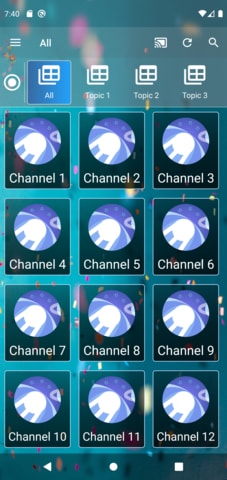
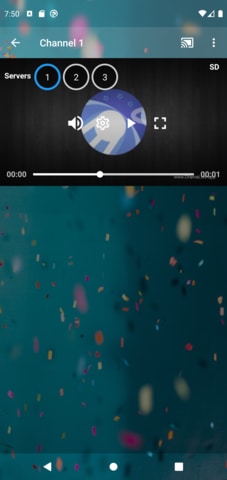
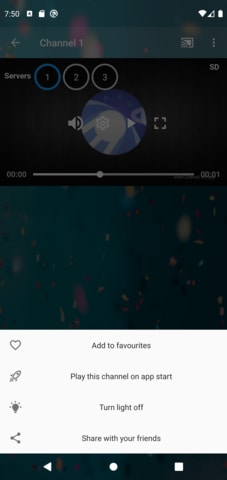
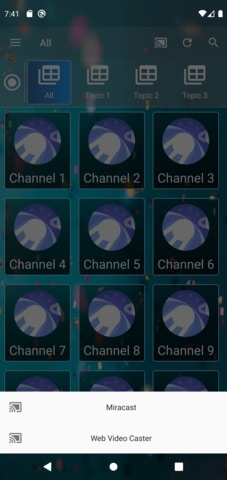

Download Drama Live and enjoy watching your favourite channels live stream on your phone anytime anywhere.


 App Store (Soon)
 Web (Soon)