Part of our INSYDIUM Fused Collection, X-Particles is a fully-featured advanced particle and VFX system for Maxon’s Cinema 4D. Its unique rule system of Questions and Actions enables complete control over particle simulations.

Part of our INSYDIUM Fused Collection, X-Particles is a fully-featured advanced particle and VFX system for Maxon’s Cinema 4D. Its unique rule system of Questions and Actions enables complete control over particle simulations.
An essential component of an artist’s toolkit, X-Particles is the solution to satisfy all your particle needs: Cloth, Smoke, Fire, Fluids, Grains and Dynamics. Designers can switch effortlessly between motion graphics and VFX, within a unified system.
Create outstanding ParticleFX from Solar Systems, FUI, Holograms and medical visualizations to abstract artwork. Multiple options to combine Emitters and Modifiers, gives you a range of possibilities.
Learn MoreRealistic smoke, fire and explosive simulations. You can export ExplosiaFX as a VDB volume, and any render engine that can read the VDB data can then render the volume data.
Learn MoreOur Liquid and Grain Solvers enable you to create stunning large and small-scale fluid simulations. From gorgeous beaches, with waves and ocean spray, to beautiful product shot splashes.
Learn MoreStepping closer into the realms of fully dynamic motion design, X-Particles' DynamicsFX offers the perfect solution to bend and shatter reality for amazing visual effects production.
Learn MoreDrive Cloth simulations with any Modifier, then rip it apart with the advanced tearing options. ClothFX adds a whole new dimension to motion design effects and destruction VFX shots.
Learn MoreNTPWEdit v0.7 is a password recovery and editing utility for Windows NT-based systems (including Windows 2000, XP, Vista, 7, 8, 10, and 11) that allows you to reset or change local user passwords by directly modifying the Security Accounts Manager (SAM) file. Key Technical Details
SAM File Modification: The tool works by directly editing the file located at C:\Windows\System32\config\SAM.
Offline Requirement: Because Windows locks the SAM file while running, NTPWEdit must be executed from a different operating system environment, such as a WinPE bootable disk (e.g., Hiren's BootCD PE) or a secondary Windows installation.
Compatibility: It supports a wide range of Windows versions and can unlock accounts even if the original password is unknown. How to Use NTPWEdit v0.7
Boot to WinPE: Use a bootable USB containing Hiren's BootCD PE or similar.
Launch NTPWEdit: Open the application (often found under Security -> Passwords).
Open SAM File: Click the (Open) button. If the path is not automatically filled, navigate to C:\Windows\System32\config\SAM. Select User: Choose the specific username from the list. Change Password: Click Change password.
Enter a new password in both fields, or leave them blank to remove the password entirely. Click OK.
Save Changes: Click Save changes before exiting the program and rebooting your computer. Important Considerations
Local Accounts Only: This utility only works for local user accounts; it cannot reset passwords for Microsoft accounts (email-based logins) or Active Directory domain accounts.
Data Security: For general security, it is highly recommended to use strong passwords that combine letters, numbers, and symbols to prevent unauthorized access.
For a visual walkthrough on managing local account passwords in a standard Windows environment: 1m
The string "solid content: 'nt password edit v07 top'" appears to be a specific identifier or search term related to a version of the Offline NT Password & Registry Editor (often referred to as chntpw) or a similar Windows password reset utility like NTPWEdit. Key Contextual Breakdown:
NT Password Edit: Refers to tools designed to modify the Windows SAM (Security Accounts Manager) file to reset or blank local account passwords.
v07 / v07 top: This likely refers to a specific build or version (Version 0.7) of a bootable utility or a specific layout header within such a tool. nt password edit v07 top
Solid Content: In a technical context, this phrase is sometimes used in log files or automated web recordings to describe fixed UI elements or headers that do not change during a session. Primary Tools Associated with this Term:
Offline NT Password & Registry Editor (chntpw): A well-known Linux-based boot disk used to reset Windows local passwords.
NTPWEdit: A Windows-based utility that allows editing of the SAM file directly from a different Windows environment (like a PE boot disk).
If you are seeing this on a screen during boot-up or within a diagnostic tool, it is likely the header or version stamp for a password recovery environment.
Are you trying to reset a forgotten password, or are you seeing this string as part of a log/error message?
NT Password Edit v07 Top: Advanced Offline Registry Editor
NT Password Edit v07 Top is a powerful, lightweight utility designed for offline password management and registry editing on Windows systems. Commonly referred to as "chntpw" in Linux environments, this tool is an essential component in any system administrator’s or IT security professional’s toolkit.
The primary function of NT Password Edit is to clear or reset local user passwords on Windows NT-based operating systems, including Windows 10 and Windows 11. Unlike traditional password recovery tools that attempt to guess or decrypt passwords, NT Password Edit works by directly modifying the SAM (Security Account Manager) file within the Windows registry. It sets the password to a blank state, allowing the user to log in without a password and subsequently set a new one.
Beyond password resetting, the "Edit" functionality allows for the modification of registry values without booting into Windows. This is particularly useful for troubleshooting critical errors, such as disabling problematic services or removing malware entries that prevent the system from starting correctly.
The "v07 Top" designation typically refers to a specific, stable release of the software, often bundled in a bootable ISO format. Users generally burn this ISO to a CD, USB drive, or boot it via PXE. Because it operates outside of the Windows environment (usually via a minimal Linux kernel), it bypasses the operating system's security locks and file permissions that would otherwise prevent tampering with the SAM file.
While highly effective, NT Password Edit is a low-level tool that requires caution. Improper use can corrupt the registry or render the system unbootable. Additionally, it is not effective for resetting Microsoft account passwords, which are managed cloud-based; it is strictly for local accounts. For local system recovery and administrative maintenance, however, it remains a top-tier solution for regaining access to locked workstations.
The tool NTPWEdit v0.7 is one of the most reliable and lightweight local password editors designed specifically for Windows NT-based systems.
When you are locked out of a local account on Windows 10, 8, 7, or XP, NTPWEdit v0.7 allows you to directly edit the Windows Security Account Manager (SAM) file. This clears or resets your login password without needing the original credentials. What is NTPWEdit v0.7?
Developed by Vadim Druzhin, NTPWEdit v0.7 is a Win32 GUI port of the famous Linux-based chntpw utility (The Offline NT Password & Registry Editor). NTPWEdit v0
While the original tool operated strictly in a command-line environment, NTPWEdit provides a simple visual interface. This makes it highly accessible for both IT technicians and everyday users. Key Features of Version 0.7
Direct SAM Modification: Edits the C:\Windows\System32\config\SAM file directly when the OS is offline.
Unlock Feature: Includes a dedicated button to unlock local accounts that have been disabled, locked out, or expired.
Local Password Removal: Allows you to either blank out (remove) the password or enter a brand-new one.
Lightweight Footprint: The application executable is tiny and runs seamlessly in low-resource environments. Critical Constraints to Keep in Mind
No Domain Support: It cannot reset passwords for Active Directory (domain) accounts.
No Microsoft Account Support: It only edits local system accounts, not Microsoft accounts linked to Windows 8/10/11.
EFS Warning: If the target user has files encrypted with the Encrypting File System (EFS), resetting the password will make those files unreadable unless you recall the original password. Direct Comparison: NTPWEdit vs. Original chntpw Feature / Detail NTPWEdit v0.7
[Original chntpw (Offline NT Password Editor)](https://pogostick.net/~pnh/ntpasswd/) Interface Windows GUI Operating Mode Run from Windows PE or external OS Ease of Use Very High (Visual point-and-click) Account Unlocking Supported natively via GUI button Best Used For Direct drive attachment or WinPE USB How to Use NTPWEdit v0.7 to Reset Your Windows Password
Because the Windows operating system locks the SAM file while it is running, you cannot use NTPWEdit while booted into the system you want to modify.
You must execute the program from an alternate operating environment. Step 1: Create a Bootable Environment
Use another computer to download a Windows Preinstallation Environment (WinPE) ISO.
Burn the WinPE image to a USB drive using tools like Rufus or ISO2Disc.
Download the NTPWEdit v0.7 ZIP file directly and extract its contents to the root of your bootable USB drive. Step 2: Boot into WinPE The tool lists partitions by Linux device name (e
Insert the bootable USB drive into the locked Windows computer.
Restart the PC and press the BIOS boot menu key (usually F12, F11, F8, or Esc).
Select your USB drive from the menu to boot into the Windows PE environment. Step 3: Modify the SAM File with NTPWEdit
Once inside WinPE, open your file explorer and launch NTPWEdit.exe.
By default, the tool points to the local drive path. If the drive letter has changed in WinPE, click the "..." button and manually browse to: C:\Windows\System32\config\SAM
Click the (Re)open button to view a list of all local accounts. Highlight the locked user account from the list. Click Change Password: Type a new password and confirm it.
Alternatively, leave the fields completely blank to strip the password off the account.
If the account was locked out or disabled, click the Unlock button. Click Save changes and exit the utility. Step 4: Boot Back to Windows Offline Windows Password & Registry Editor - Pogostick.net
/dev/sda1 for first drive, first partition).NT Password Edit v07 Top is a specialized offline password reset utility designed for legacy versions of the Windows NT operating system family, including Windows 2000, Windows XP, and Windows Server 2003. The "v07" denotes version 7 of the software, while "Top" often indicates an enhanced or community-released edition with additional features or a more polished interface compared to earlier command-line-only builds.
Unlike password crackers that attempt to decrypt a password hash, NT Password Edit v07 Top works by directly editing the SAM (Security Account Manager) file—the registry hive where Windows stores user passwords and credentials. It blanks the password hash, effectively removing the password requirement for any chosen local user account.
Overview The "nt password edit" tool—technically known as the Offline NT Password & Registry Editor—is a legendary utility in the IT administration and security auditing toolkit. Developed by Petter Nordahl-Hagen, it is a small, bootable Linux-based environment designed to run offline. Its primary function is to clear or reset local user passwords on Windows systems by directly editing the Security Account Manager (SAM) registry hive.
When users refer to "v07 top" or similar variations, they are typically referencing version 0.7 (or its sub-builds), which was a major milestone for the tool, adding support for 64-bit systems and newer Windows versions.
You’ll see a BusyBox-style prompt with a menu:
1. Select partition where Windows is installed
2. Select path to registry directory
3. List users
4. Reset user password (blank)
5. Quit
In an era of cloud authentication, biometrics, and TPM-bound passwords, the NT Password Edit v07 Top tool represents a simpler, more dangerous time in Windows security. Its continued existence in forums and forensic toolkits is a testament to robust engineering and the enduring nature of the NT architecture.
Whether you are reviving a factory floor PC, recovering a forgotten admin password on an old domain controller, or teaching a cybersecurity class about SAM hives, v07 Top remains a lightweight, reliable companion.
Remember: With great power comes great responsibility. Use it only on hardware you own or have written permission to audit. And always, always back up the SAM file before editing.
xpScatter enables you to scatter your objects over multiple scene geometry, from splines to parametric objects all at the same time.
The topology tab will enable you to distribute your scatter on landscape slope, height, and curvature to create realistic ecosystems.
Animate your growth by using textures, X-Particles modifiers, and Mograph effectors.
Use multiple display modes for fast viewport performance. You can even restrict the scatter of objects to within the camera field of vision for optimal efficiency.
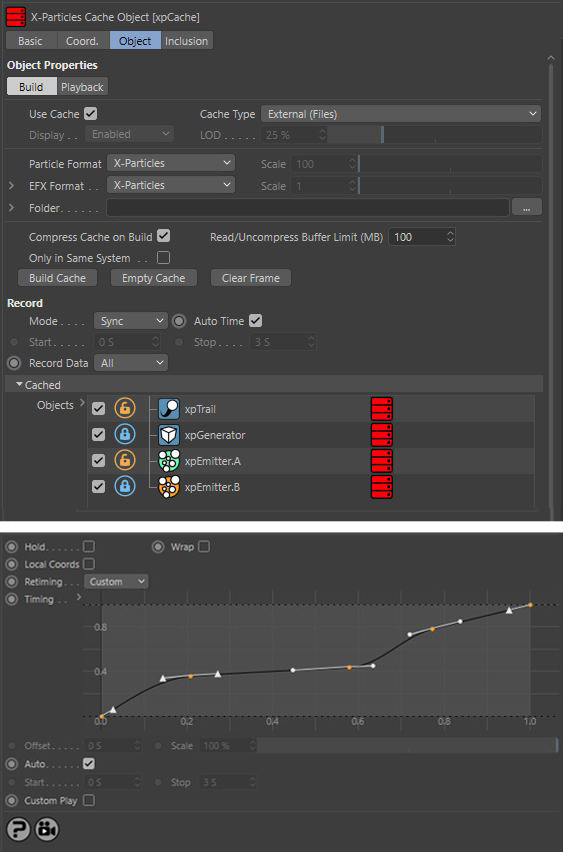
Our time and custom spline retiming option give you fine control over playback. The new cache layers in xpCache enables you to lock and unlock to re-cache objects in your scene.

X-Particles is built seamlessly into Cinema 4D like it is part of the application. It’s compatible with the existing particle modifiers, object deformers, Mograph effectors, Hair module, native Thinking Particles, and works with the dynamics system in R14 and later.
If you know how to use the Mograph module, you already know how to use X-Particles, it's that easy.
X-Particles has the most advanced particle rendering solution on the market. It enables you to render particles, splines, smoke and fire, all within the Cinema 4D renderer. Included are a range of shaders for sprites, particle wet maps and skinning colors. You can even use sound to texture your objects.
Perfectly partnered with INSYDIUM’s Cycles 4D and also compatible with the following: